Category: Uncategorized

  • Social Wellness: Benefits for Seniors with Alzheimer’s and Dementia

    Social Wellness: Benefits for Seniors with Alzheimer’s and Dementia

    by Mandy Otto


    Mandy

    July is Social Wellness Awareness Month.  Social wellness is defined as nurturing yourself by building healthy, supportive relationships with others. Making genuine connections with those around you is critical to physical and psychological health.

    Research shows that the physical risks of being socially isolated are comparable to the risks associated with heart disease, cigarette smoking, high blood pressure, and obesity. However, for people with healthy relationships, their heart and blood pressure respond better to stress. Having a healthy social network can also enhance the immune system’s ability to fight off infectious diseases and speed healing. Maintaining relationships—giving and receiving emotional support—ensures that you have a network of friends, family, and others to turn to in times of need. Why is social wellness important for those with dementia-related diseases and their caregivers?

    Benefits of Social Wellness for Memory Care

    Perhaps a friend or loved one has displayed intermittent symptoms of mild cognitive decline such as forgetfulness, difficulty driving, word searching, or trouble concentrating and problem solving. Having a group of close friends or family members may help them maintain their independence and adjust to their changing needs. If you’re a caregiver, being able to discuss your concerns with others can provide you with a broader perspective and, perhaps, helpful resources.

    In early-stage dementia or Alzheimer’s disease, signs of mental impairment begin to become more visible. It’s not unusual for the person affected by the disease to become moody, to express negative emotions (e.g., anger, frustration, anxiety, depression), or to withdraw socially. A study published in the American Journal of Geriatric Psychiatry (James & Burke, 2011) found that seniors who were housebound or socially isolated were not only more likely to develop Alzheimer’s disease, but they experienced more rapid cognitive decline than seniors who got out and interacted more with others. According to lead author Bryan D. James, “People who don’t leave their home as much aren’t engaging with their environment and meeting new people. They may not be using their minds as much.” The study does not conclude that social isolation causes Alzheimer’s or dementia; however, it does indicate a potential connection between social isolation and the development of cognitive decline and Alzheimer’s. Social wellness involves being present as the friend, colleague, or loved one learns to navigate the impact of the physical, emotional, and cognitive changes as they occur. It also involves encouraging a loved one’s continued interaction with others.

    With the rise in the number of Alzheimer’s cases (68 percent from 2000–2010, according to the Alzheimer’s Association), it’s more important than ever to practice the tenets of social wellness by having a number of good friends and an active social life.

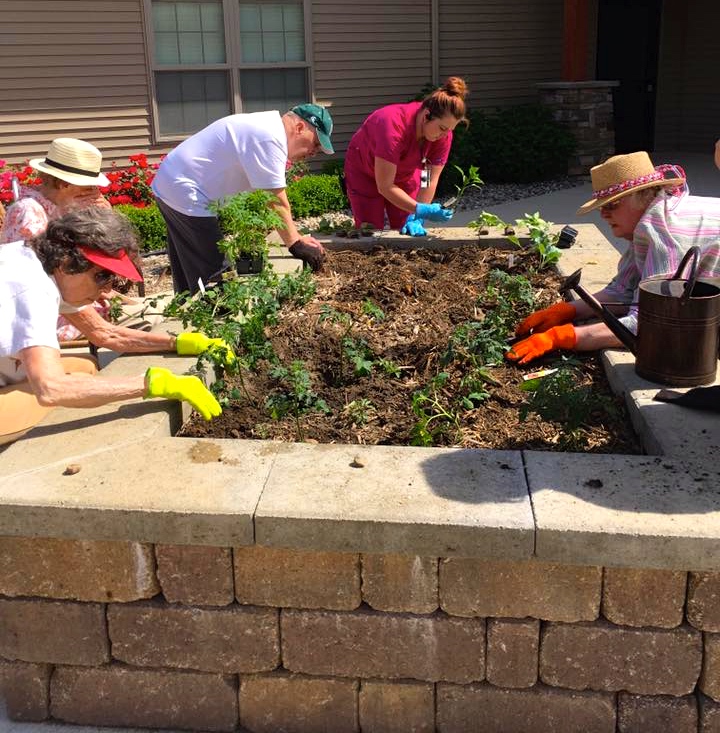
    At Cambrian Senior Living, with locations in Tecumseh and South Lyon, Michigan, seniors are given many opportunities to engage in social wellness. We offer many programs throughout the day to nourish the mind, body, and soul. Please see our dynamic programming calendar available on our website.  If you’d like to learn more about living life to its fullest, and Cambrian’s daily promotion of wellness, contact Laura Beyer at 517-423-5300, or check us out at www.CambrianSeniorLiving.com.

  • Vitamin D Deficiency Linked to Alzheimer’s and Many Other Diseases

    Vitamin D Deficiency Linked to Alzheimer’s and Many Other Diseases

    Dana4

    By Laura Beyer

    Now that summer is in full swing, it’s time to get outside and enjoy a little sunshine. There’s a reason why a little time outside on a sunny day can lift our spirits and give us a boost of energy. Sometimes called the “sunshine vitamin”, vitamin D is produced in your skin from direct exposure to sunlight. Vitamin D is important in regulating calcium absorption which leads to healthy teeth and bones as well as strengthening resistance to certain diseases. However, many healthy adults have a deficiency in vitamin D. According to a study published by the International Society for Clinical Densitometry, vitamin D deficiency is “extremely prevalent among the elderly and is associated with a higher risk of fracture”. It can also have an impact on the immune system, contribute to depression and fatigue.

    An estimated 40 – 75% of all adults are vitamin D deficient. Senior citizens are typically more prone to vitamin D deficiency due to their diet and a lack of outdoor activity. While few foods contain the vitamin naturally, several foods are fortified with it. Foods with naturally occurring Vitamin D include egg yolks, shrimp, sardines, salmon and beef liver while fortified foods include milk, yogurt, orange juice and cereals. Vitamin D is produced naturally in the body by direct exposure to the sun. Research suggests that as little as 10 – 15 minutes of sun exposure to untreated skin (no sunscreen) can be sufficient in providing a healthy dose of this essential vitamin. However, as we age, the skin can become less efficient at converting sunlight to vitamin D.

    Due to the difficulty in getting enough vitamin D many seniors are often found to be deficient. Vitamin D deficiency can be linked with osteoporosis, cardiovascular disease, asthma and cancer and may also help in the prevention of diabetes, multiple sclerosis, hypertension and cognitive decline. A study by the University of Exeter Medical School has found that a deficiency in vitamin D substantially increases the risk of developing Alzheimer’s disease. “We expected to find an association between low Vitamin D levels and the risk of dementia and Alzheimer’s disease, but the results were surprising – we actually found that the association was twice as strong as we anticipated.” Dr. David Llewellyn, University of Exeter Medical School. Vitamin D Study Press Release

    Even with exposure to ultra violet rays and eating foods containing the vitamin it can still be difficult to get the recommended amount of Vitamin D each day. The National Institute of Health recommends 600 IU (International Units) per day for adults up to age 70 and 800 IU for adults over the age of 70. NIH Recommendations Several sources suggest that even higher daily amounts, some up to 2000 IU, are needed, particularly for those over age 50. A simple blood test is all that is needed for your health care provider to determine deficiency. If a deficiency is found, they can recommend the right supplement for you and while the sun is shining bright this summer make sure to take the time to get outside and enjoy!

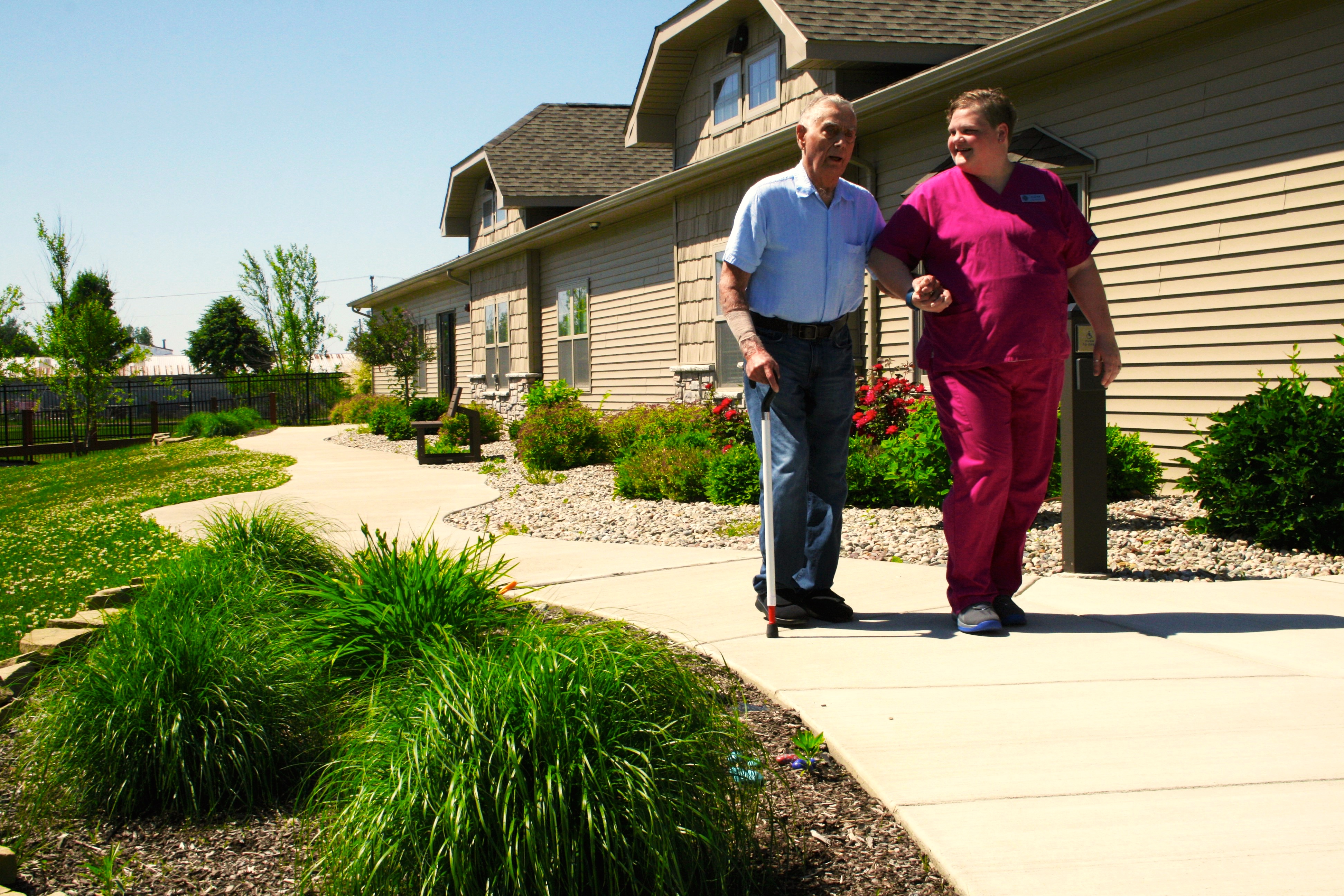
    At Cambrian Senior Living, with locations in Tecumseh and South Lyon, Michigan, seniors are given many opportunities to soak in the sunshine to promote the regulation of their calcium absorption. With various courtyards throughout, comfortable seating is made available to allow for enjoyment of the luscious landscaping, fragrant flowers, as well as the beautiful creatures who come and go.   Indoor sunroom spaces allow the rays to shine through the abundance of windows panes also enough to benefit your vitamin D needs.  And, the robust life enrichment programming at Cambrian Senior Living includes a long list of fun excursions that get seniors outside and active. Our summer calendar includes fishing, strolling through Hidden Lake Gardens, a Toledo Mudhens baseball game, attending the county fair, going to Clarklake Beach and Boat Club, and many more activities along these lines. We also fire up the bbq grill and picnic outside every Friday for lunch. So, if you’d like to learn more about living life to its fullest, and Cambrian’s daily promotion of wellness, contact Laura Beyer at 517-423-5300. Or check out our website, www.CambrianSeniorLiving.com.