Category: blog-news

Use for blog posts

  • Why Living in a Community is Better than Living at Home Alone

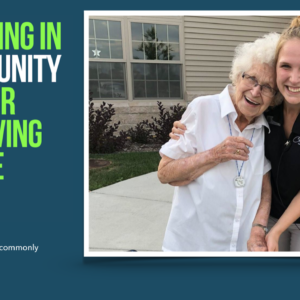
    Why Living in a Community is Better than Living at Home Alone


    Watch this video made available by Where You Live Matters, a senior resource created by  American Seniors Housing Association. The professional opinion of researcher Dr.Karl Pillemer, Professor of Gerontology in Medicine at Weill Cornell Medical College is enlightening.

  • Therapeutic Gardening Health Benefits

    Therapeutic Gardening Health Benefits

    Therapeutic gardening, also known as horticulture therapy, is an activity that is spreading like a weed among seniors – with good reason.  Feeling the warmth of the sun on our skin is always something Michiganders look forward to each Spring. When a cool breeze makes itself known it too is welcomed. And we all know that taking time to pause and smell the flowers has so much more benefit than the mere beauty to our optical and olfactory senses. Our own Michigan State University was the first to offer a degree in horticulture therapy starting back in the 1950’s while the first connection that digging in the soil had a curative effect was realized in 1768 by Benjamin Rush.  250 years and many research programs later, it is known that gardening can positively impact the mind and body holistically and provide seniors with natural pain and stress relief, as well as the bonus opportunity of social engagement. Green thumb or not, therapeutic gardening can provide seniors with a wide array of health benefits, and with the right adaptations, anyone can reap the benefits.

    According to Denise Zebley, Proprietor at Cambrian Assisted Living & Memory Care, a senior living community in South Lyon, MI, the natural aging process makes seniors more prone to various health issues. So it is wonderful to know that taking time to cultivate and nurture plants, indoors or out, can yield reductions in depression and anxiety symptoms, general stress, changes in mood, as well as positively increasing quality of life, sense of community, physical activity levels, and cognitive function.

    “For those living with dementia, therapeutic gardening can provide an outlet to get rid of stress and agitation while simultaneously giving a sense of responsibility and purpose,” says Denise. “Our use of horticulture therapy has allowed our residents to blossom, often turning gloomy moods into smiles showing the sense of satisfaction.”

    Benefits of Therapeutic Gardening

    Sue Sunderland, Executive Director at The Bridges at Warwick in Jamison, PA shares her research into this subject, as well as suggestions on how make adaptations to allow seniors to experience success with their efforts:

    In an article about therapeutic gardening from Better Homes & Gardens Magazine (BHG), it is stated that throughout history, gardens “have been viewed as places of wonder, capable of restoring health and peace to those who entered.” Now, research and studies are backing up this widely-held belief.

    Gardening can benefit seniors in the following ways:

      • • Lifelong learning. For those who do not know how to garden, learning can become extremely beneficial.  Not only do seniors gain a new skill and potential hobby, but they expand their knowledge of nature and learn how to nurture different types of plants.  In the BHG article, it states that gardening might also have the ability to delay the onset of Alzheimer’s disease.  This is because learning a new skill can activate new connections in the brain and provide a mental workout.
      • • Accomplishment and self-worth.  Gardening and being in control of the environment they are creating can help them feel as though they have some control over their lives, even when they feel like they do not have control over everything else.  Therapeutic gardening also helps seniors feel like they have a purpose and they gain a sense of accomplishment when they can watch something they tended to grow.
        • Exercise.  While we know gardening lowers stress levels, it can also make us happier.  When seniors garden, they get exercise, which increases the levels of serotonin and dopamine which can make seniors happier, according to the Psychology Today article.  The exercise that seniors get from working so vigorously to cultivate a garden can help to keep them healthier, allow them to sleep better and keep them physically and mentally fit.
        • Stress relief and relaxation.  According to an article from Psychology Today, gardening is rhythmic in nature which allows seniors to relax and let things go.  The article states that the anxious thoughts we have often have the tendency to ebb and flow with the movements of gardening and allows cortisol (stress) levels to decrease, which can help us clear our minds and settle our nerves.
      “While all of these benefits greatly impact seniors’ health, they also benefit from increased levels of socializing,” says Sue. “As many people enjoy nature and seeing or smelling flowers, they are more prone to stop to talk to someone that is gardening – if only just to comment on how beautiful their flowers are or how nicely their fruits or vegetables are coming up. This can add to a seniors’ boost in self-esteem and potentially help them to make new friends and connect with other people.”

    How To Make Therapeutic Gardening Easier for Seniors

    If you or a loved one are interested in taking up therapeutic gardening, there are a few ways to make it safer and easier. Consider the following tips on how to make gardening easier for seniors:

    • Get the right tools. When planting flowers, fruits or vegetables that need to be in a container, opt for plastic instead of glass or ceramic so that they do not break. Ensure that your loved one has gloves and other materials needed in order to tend to the plants. If your loved one has Alzheimer’s or another form of dementia, make sure they do not have sharp garden tools, as they could accidentally hurt themselves.

    • Adapt the height to make it easier. Since some seniors may have trouble kneeling or bending over in order to tend to the garden, consider raising it to meet their needs. Raised-bed gardens can allow seniors to work at a level they are comfortable with. Some raised-bed gardens can also provide built-in seating where seniors can relax, rest and meet with others. They can also allow them to work and tend while sitting down. If your loved one prefers to kneel and get their hands dirty, kneeler stools can help.

    • Ensure plants are not toxic. If your loved one has a form of dementia such as Alzheimer’s, they may try to eat the plants, especially if there are herbs mixed into the garden with fruits and vegetables. In order to keep your loved one safe, try to not plant toxic forms of plants.

    • If you would like to take advantage of the benefits of therapeutic gardening, but do not have outdoor space, try joining a gardening club or get involved in a community garden. The benefits that seniors could reap from this form of therapy are well worth cultivating.

    Activity. Friendship. Support. Convenience. Value.

    You’ll find all the above at Cambrian Senior Living located in the heart of Lyon Township in South Lyon, Michigan, where every day seniors are the center of everything we do. Our philosophy of “Pursuing Excellence & Providing Joy” means that our residents enjoy a sense of purpose and contentment along with fun, personalized care and a focus on total well-being.  It is our goal to provide just the right amount of assistance to help our residents remain independent, while offering robust life-enriching programs such as gardening, along with a broad spectrum of care, hospitality services and amenities. Our dedication to total wellness – for mind, body and soul – is woven into our culture every day.
    or call 248-344-0001 for more information or to arrange a personal tour.


  • 3 Reasons To Stop Feeling Guilty About Putting Mom in Assisted Living

    3 Reasons To Stop Feeling Guilty About Putting Mom in Assisted Living

    A common emotion expressed by families over and over again is guilt for no longer feeling able to manage mom or dad’s needs on their own, while simultaneously maintaining the pressures of their own lives.  The term ‘sandwich generation’ describes the demographic living with the challenges of having responsibilities for aging parents while simultaneously raising children and/or grandchildren of their own.

    The reality is that once a caregiver moves forward with the decision to move their loved one into a senior living community that can meet their needs, their relationship with the individual often improves greatly.  The major stresses that the caregiver often bears tends to overshadow the ability to maintain a positive and meaningful relationship.   Quality visits can replace the quantity of time you formerly spent managing the endless activities of daily living (bathing, toileting, dressing, organizing/tracking medication regimens, shopping, cooking, cleaning, laundering, etc.).    It is also important to note that loneliness, and even depression, often diminishes when living in a community setting as the social interactions that occur through the life enrichment offerings and mealtimes are very valuable to emotional wellness.

    Cambrian Senior Living located in Southeastern Michigan offers assisted living and memory care services in both the Tecumseh (Lenawee County) and South Lyon (Oakland County) areas.  For more information on Cambrian Senior Living, visit CambrianSeniorLiving.com.


    3 Reasons to Stop Feeling Guilty About Putting Mom In Assisted Living

    By DailyCaring.com (Voted 2018’s Best Caregiving Website)

    It’s one of the hardest decisions of your life

    Moving your older adult into assisted living or a skilled nursing facility (aka nursing home) might be one of the hardest decisions in your life. When caring for them at home becomes dangerous or nearly impossible, it’s absolutely necessary to move them to a place where they can get the care they need.

    Even if this is the best decision for their health and for yours, the guilt and sadness can still be overwhelming. It takes time, but there are ways you can help yourself accept the decision.

    3 reasons for guilt and the reality behind them

    Here are three common reasons and some example scenarios why caregivers feel guilty about moving their senior to assisted living. We explain why those reasons aren’t true and why your decision was unavoidable.

    1. You’ve failed in your duty to care for them

    • I promised Mom I’d always take care of her.
    • Dad asked me to never abandon him.
    • When we got married, we promised that we’d always be there for each other – in sickness and in health.

    You haven’t failed. Moving someone to assisted living doesn’t mean that you’ve failed to take care of them. It means you’re making a smart decision to get them the level of care they need.

    You still spend as much time with them as you can, talk frequently with the staff, and manage their overall care. You are taking good care of your older adult and you certainly haven’t abandoned them.

    2. You’re not as good a caregiver as you should be

    • My friend Sarah takes care of her Mom at home. I should have been able to keep doing it too.
    • My brother thinks I’m being lazy and just don’t want to take care of Dad at home anymore.
    • My husband’s daughter (from a previous marriage) told me that she’s angry that I’m dumping her dad in a home.

    You are a great caregiver. Everyone’s situation is different, so it’s not fair to compare yourself to others. It’s also important not to pay too much attention to people who don’t help and don’t understand the real situation.

    Your senior may have more serious health conditions or need a much higher level of care than is possible for you to provide. If your health is suffering or if someone could get injured, it’s time to make a change.

    Moving your older adult protects both of your health and safety and allows them to get the care they need. Besides, if you don’t protect your own health, you surely won’t be able to keep caring for them.

    3. You feel their health wouldn’t have gotten worse or would have improved if you hadn’t make the move

    • Mom wouldn’t have gotten the flu if she was still home with me.
    • Dad would be eating better and not losing weight if I was still taking care of him.
    • My wife would still recognize me if she had stayed at home with me instead of moving here.

    That’s not true. It may be true that things would be different if you’d kept them at home. But that doesn’t mean things would be better than they are now. It could actually be much worse.

    Remember, you made this decision because their health and safety was in danger. Making a change is what had to be done to prevent something terrible from happening.

    Bottom line

    It hurts when you have negative thoughts and feelings about a decision you were forced to make. Your heart will need some time to catch up with what you know in your head.

    Understanding where the guilt is coming from gives you the chance to remind yourself about the reality of the situation. Over time, you’ll be able to fully accept the decision. That goes a long way to easing guilt and reducing stress.

  • Bathing a Loved One Who Has Dementia

    Bathing a Loved One Who Has Dementia


    This article by Ava M. Stinnett gives helpful guidance to promote a successful bathing outcome with someone living with dementia.  Over the past 18 years Cambrian Senior Living has been caring for those living with dementia, and we can share first hand that earning the trust of the individual is paramount.  This takes time to build, and it requires tremendous patience.  And keep in mind that even with this trust you may not always be successful, that is why accepting a twice a week bathing routine as acceptable will reduce stress for both you and your loved one.

    Cambrian understands the many challenges that accompany living with dementia, and that is why we designed our apartment bathrooms with an open concept euro style bathroom to promote success with bathing.  A few common issues those living with dementia often experience about bathing is a fear of water splashing onto their faces, as well as being enclosed in a small space creating a claustrophobic experience.  Cambrian’s spacious bathroom area has a drain in the floor allowing the shower to occur without needing to step into an actual shower space.  And, the shower head can be hand held allowing water flow to be controlled avoiding the facial area.

    Cambrian Senior Living is located in Southeastern Michigan and specializes in caring for individuals living with various forms of dementia.  With locations in both Tecumseh and South Lyon, Michigan the affordable excellence offered is absolutely worth the drive from the surrounding areas.  For more information on Cambrian Senior Living visit CambrianSeniorLiving.com.

    Bathing a Loved One Who Has Dementia
    By Ava M. Stinnett

    Caregivers face various challenges when providing assistance for someone who has Alzheimer’s disease. One particular activity that can be very stressful is bathing. There are numerous behaviors that indicate a loved one is frustrated or confused, such as hitting or kicking, verbal agitation, and crying or rocking.

    As a caregiver, it’s important to remember why bathing is important. “Doctors recommend older adults shower or bathe a minimum of twice a week to reduce the chance of infection, especially urinary tract infections in women,” says [Carole] Larkin, geriatric care manager at ThirdAge Services and trainer of caregivers in home care companies, nursing homes, and memory care communities. “If you can get them to bathe more, kudos to you. If not, be satisfied with twice a week, unless another medical condition demands more frequent bathing.”

    If you see any of the behaviors listed above, you’ll want to determine the cause. Some common triggers include unmanaged pain, feeling too hot or too cold, feeling awkward or embarrassed, and confusion about what is happening. The same goes for hair washing and drying.

    Larkin provides some tips to help caregivers minimize frustration for both patient and caregiver.

    • Tell the person what you are going to do, step by step, and allow him or her to do as much as possible.
    • Involve the person in the bathing process. Larkin suggests that caregivers have the person try to wash themselves first … That gives them ownership of the task and something they can succeed at.
    • Follow up on the positive reinforcements so that your loved one gets rewarded for complying … Always praise and compliment them after the bathing is done.
    • Some people are extremely modest … Respect their dignity by allowing them to cover up with something while in the shower or bath.
    • Plan the bath or shower for the time of day when the person is most calm and agreeable. Be consistent. Try to develop a routine.

    Continue to adapt your methods by observing your loved one’s behavior over time.

    Sources

    Larkin C. (2018). ThirdAge Services. Retrieved from http://www.thirdageservices.com/about/about.htm

    Alzheimer’s Society. (2018). Washing and bathing. Retrieved from https://www.alzheimers.org.uk/get-support/daily-living/washing-and-bathing

  • Finding Long Term Care for a Person with Alzheimer’s

    Finding Long Term Care for a Person with Alzheimer’s


    As an ‘assisted living residential care’ provider of memory care services, Cambrian Senior Living often guides families through the daunting process of how to find the best setting for a loved one when being the caregiver becomes too much to continue managing alone.  In the spirit of offering advice on where to start, this article below was published by the U.S. Department of Health & Human Services and it summarizes the process well.  

    If you or your loved one resides in Southeast Michigan,  Cambrian Senior Living is here to assist you.  With locations in Tecumseh and South Lyon, Michigan,  Cambrian offers specialized memory care services to assist families with caring for a loved one living with dementia.    Cambrian endorses and practices the Teepa Snow Positive Approach to Care and offers a non-institutional atmosphere as compared to the alternative nursing home option.  Private apartments allow individuals to be surrounded by the familiarity of their own personal furnishings and belongings, while the life enrichment programming provides many opportunities for meaningful engagement throughout the day.  24/7 staffing keeps a watchful eye on residents allowing them the freedom to engage as they wish, but also provides the peace-of-mind that the resident will be redirected if confusion or an undesirable behavior is exhibited.

    Additional information about Cambrian Senior Living can be found at CambrianSeniorLiving.com.  Cambrian is proud to be a contributing member of the National Center for Assisted Living, and Michigan Center for Assisted Living organizations.

    Finding Long Term Care for a Person with Alzheimer’s

    By U.S. Department of Health & Human Services: National Institute on Aging

    Sometimes you can no longer care for a person with Alzheimer’s disease at home. The person may need around-the-clock care. Or, he or she may be incontinent, aggressive, or wander a lot. You may not be able to meet all of his or her needs at home anymore. When that happens, you may want to look for a long-term care facility for the person.

    You may feel guilty or upset about this decision, but moving the person to a facility may be the best thing to do. It will give you greater peace of mind knowing that the person is safe and getting good care.
    Choosing the right place is a big decision. It’s hard to know where to start. The following overview of options, along with questions to ask and other resources, can help you get started.

    Residential Care

    Residential care options include:

    • Continuing care retirement communities (CCRCs)—a home, apartment, or room in a retirement community where people with Alzheimer’s can live and get care. Some of these places are for people who can care for themselves, while others are for people who need care around-the-clock. An advantage is that residents may move from one level of care to another—for example, from more independent living to more supervised care.
    • Assisted living facilities—a facility with rooms or apartments for people who may need some help with daily tasks. Some assisted living facilities have special Alzheimer’s units. These units have staff who check on and care for people with Alzheimer’s disease. You will need to pay for the cost of the room or apartment, and you may need to pay extra for any special care.
    • Group homes—a home where several people who can’t care for themselves and two or more staff members live. At least one caregiver is on site at all times. You will need to pay the costs of the person with Alzheimer’s living in this kind of home. Remember that these homes may not be inspected or regulated, but may still provide good care.
    • Nursing homes—a place for people who can’t care for themselves anymore. Some nursing homes have special Alzheimer’s disease care units. These units are often in separate sections of the building where staff members have special training to care for people with Alzheimer’s. In many cases, you will have to pay for nursing home care. Most nursing homes accept Medicaid as payment. Also, long-term care insurance may cover some of the nursing home costs.

    For more information about long-term care facilities, visit Residential Facilities, Assisted Living, and Nursing Homes and Choosing a Nursing Home.

    Next Steps: Gathering Information

    Choosing the right place is a big decision. It’s hard to know where to start. Below we list steps you can take to find the right place:

    1. Gather Information

    • Talk with your support group members, social worker, doctor of the person with Alzheimer’s, family members, and friends about facilities in your area.
    • Check resources, such as Medicare’s Nursing Home Compare, and the Joint Commission’s Quality Check®.
    • Make a list of questions to ask about the facility.
    • Call to set up a time to visit.

    2. Visit Assisted Living Facilities and Nursing Homes

    Make several visits at different times of the day and evening.

    Ask yourself:

    • How does the staff care for the residents?
    • Is the staff friendly?
    • Does the place feel comfortable?
    • How do the people who live there look?
    • Do they look clean and well cared for?
    • Are mealtimes comfortable?
    • Is the facility clean and well-maintained?
    • Does it smell bad?
    • How do staff members speak to residents—with respect?

    Ask the staff:

    • What activities are planned for residents?
    • How many staff members are at the facility? How many of them are trained to provide medical care if needed?
    • How many people in the facility have Alzheimer’s disease?
    • Does the facility have a special unit for people with Alzheimer’s? If so, what kinds of services does it provide?
    • Is there a doctor who checks on residents on a regular basis? How often?

    You also may want to ask staff:

    • What is a typical day like for the person with Alzheimer’s disease?
    • Is there a safe place for the person to go outside?
    • What is included in the fee?
    • How does my loved one get to medical appointments?

    Talk with other caregivers who have a loved one at the facility. Find out what they think about the place.

    Find out about total costs of care. Each facility is different. You want to find out if long-term care insurance, Medicaid, or Medicare will pay for any of the costs. Remember that Medicare only covers nursing home costs for a short time after the person with Alzheimer’s has been in the hospital for a certain amount of time. Visit Paying for Care for more information.

    If you’re asked to sign a contract, make sure you understand what you are agreeing to.

    How to Make Moving Day Easier

    Moving is very stressful. Moving the person with Alzheimer’s to an assisted living facility, group home, or nursing home is a big change for both the person and the caregiver. You may feel many emotions, from a sense of loss to guilt and sadness. You also may feel relieved. It is okay to have all these feelings. A social worker may be able to help you plan for and adjust to moving day. It’s important to have support during this difficult step.

    Here are some things that may help:

    • Know that the day can be very stressful.
    • Talk to a social worker about your feelings about moving the person into a new place. Find out how to help the person with Alzheimer’s adjust.
    • Get to know the staff before the person moves into a facility
    • Talk with the staff about ways to make the change to the assisted living facility or nursing home go better.
    • Don’t argue with the person with Alzheimer’s about why he or she needs to be there.

    Be an Advocate

    Once the person has moved to his or her new home, check and see how the person is doing. As the caregiver, you probably know the person best. Look for signs that the person may need more attention, is taking too much medication, or may not be getting the care they need. Build a relationship with staff so that you work together as partners.

    Read about this topic in Spanish. Lea sobre este tema en español.

    For More Information About Long-Term Care and Alzheimer’s

    NIA Alzheimer’s and related Dementias Education and Referral (ADEAR) Center
    1-800-438-4380 (toll-free)
    adear@nia.nih.gov
    www.nia.nih.gov/alzheimers
    The National Institute on Aging’s ADEAR Center offers information and free print publications about Alzheimer’s disease and related dementias for families, caregivers, and health professionals. ADEAR Center staff answer telephone, email, and written requests and make referrals to local and national resources.

    National Clearinghouse for Long Term Care Information
    1-202-619-0724
    aclinfo@acl.hhs.gov
    https://longtermcare.acl.gov/

    Eldercare Locator
    1-800-677-1116 (toll-free)
    https://eldercare.acl.gov

    Centers for Medicare & Medicaid Services
    1-800-633-4227 (toll-free)
    1-877-486-2048 (TTY/toll-free)
    www.medicare.gov

    Joint Commission
    1-630-792-5800
    www.jointcommission.org

    National Center for Assisted Living
    1-202-842-4444
    www.ahcancal.org

    Argentum
    1-703-894-1805
    info@argentum.com
    www.argentum.org 

  • Stay Healthy Ann Arbor’s Senior Living of Choice

    Stay Healthy Ann Arbor’s Senior Living of Choice

    Gareth Zebley, owner of Cambrian Senior Living was as a live guest on The Michigan Insider, WTKA Sports Talk Radio’s weekday morning program with Sam Webb.  The broadcast highlighted StayHealthyAnnArbor.com‘s senior living of choice and talked listeners through the process of selecting a senior living community.

    The Michigan Insider often gives listeners well rounded offerings away from the sports field, and since many listeners are at the stage in life where it is necessary to help their parents navigate through their options as the aging process begins to present challenges, Cambrian Senior Living was invited to give some advice as to where to begin and what to pay close attention to during the process.

    It is not unusual to experience guilt when a parent’s needs begin to escalate and you find it challenging to balance assisting them with their needs while still keeping up with demanding jobs, children, grandchildren and so on.  Assisted living and memory care services are part of the umbrella of resources available to the aging population.  The mind becomes vulnerable to loneliness and depression when social engagement with others is decreased significantly.   When a senior is living at home alone, social engagement can be easily replaced by spending endless hours watching tv which often doesn’t offer a positive outlook on current news or events.   Residing in an assisted living setting is a great alternative to living at home alone without social engagement.   Choosing the right assisted living  will promote the feeling of home, just at a new address.  Apartments at Cambrian Senior Living are furnished with the personal belongings of the residents themselves insuring the feeling of home follows.   Apartments are private, and staff knock before coming in to assist with needs.  Residents at Cambrian Senior Living maintain  control of their surroundings and choices.

    Sam Webb reminded listeners that Cambrian Senior Living is an outstanding local option for senior living.  Being family owned and operated by Gareth and Denise Zebley helps give families that extra peace of mind knowing their loved one is in a better place.  Cambrian’s building is designed as a barrier-free setting, so those living with physical limitations are able to maneuver safely and easily without the risk of a step up into the bathtub/shower or stairs up into the bedroom.  Cambrian is able to meet the needs of it’s residents around the clock, 24 hours a day,  7 days a week.  Residents  get their medications on time as prescribed, and meals are provided so dining becomes easy and enjoyable.   As well, Cambrian insures residents have many opportunities to stay engaged through their robust life enrichment programming.  Mornings begin with a focus on wellness, and the rest of the day has varied options scheduled such as gardening, floral design,  woodworking or art projects, musical entertainment, and even regularly scheduled happy hours, to mention just a few.  Outings into the community are also a regular part of their life enrichment calendar.

    Cambrian Senior Living also provides resources to the community through it’s monthly Alzheimer’s and dementia  support group.  It is offered at no cost and it teaches families what to expect and suggest ways to cope along the way.  It is also valuable to  hear suggestions from others who are living a similar journey.

    It was also suggested that you consider getting your loved one out there with you to see the local options for themselves.  This gives your loved one the opportunity to feel empowered in the decision making process before the need becomes urgent and the decision making becomes stressful and rushed.  Gareth Zebley believes that you should check out several options, and he is confident that Cambrian Senior Living will stand out above the rest.  Cambrian is proud to be associated with StayHealthyAnnArbor.com, a great resource to connect local consumers with the best local providers.

    Check out the broadcast below.