Author: Denise Zebley
-

Best Diets for Seniors
 Some expert advice for older adults choosing eating plans
By Lisa Esposito, Staff Writer for U.S. News & World Report
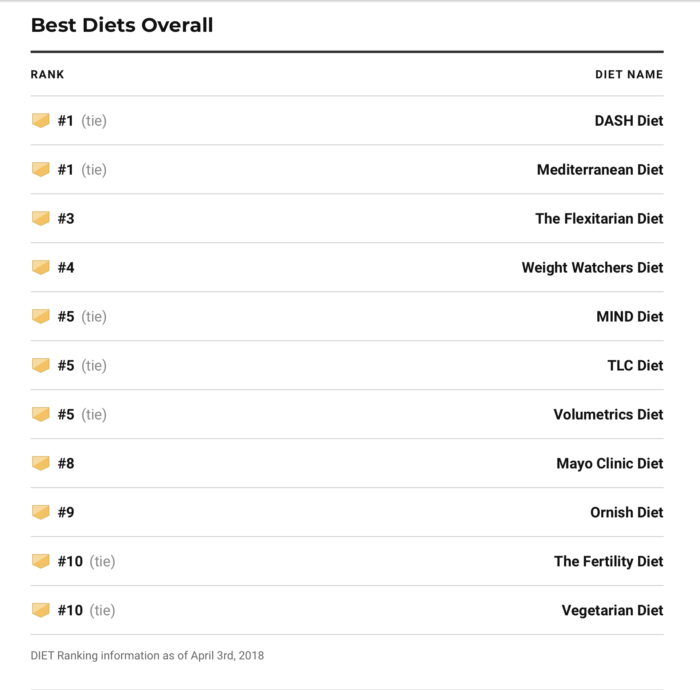
When a panel of health and nutrition experts ranked 35 diets, they considered not only weight loss, but also whether diets were heart healthy, good for controlling diabetes and easy to follow. Now, two panel members discuss which U.S. News-ranked diets make the most sense for seniors.
Fewer Calories/More Protein
For Amy Campbell, a registered dietitian and diabetes educator, the DASH, TLC and Mediterranean diets stood out as smart choices for older adults, because they’re good for weight loss as well as controlling conditions such as diabetes and high blood pressure. As with anyone, overweight and obesity can be issues for seniors, Campbell says. “People are living longer, so we’re seeing more of it in older adults.” And, she says, “As we get older, our calorie needs go down. People don’t need to eat as much as they did when they were 20 or 30.” Older women generally need anywhere from 1,600 to 2,200 calories per day, depending how active they are, Campbell says, while younger women need about 1,800 to 2,200 daily. For older men, the range is 2,000 to 2,800 calories per day, compared with 2,200 to 3,200 calories for younger men.
Frail elderly people face different issues. “One concern for older people is getting enough protein,” Campbell says. “We need more as we age.” A lack of protein puts people at risk for lower immune function and osteoporosis. You don’t necessarily have to follow a specific diet, she says, “just a well-rounded diet with extra protein.” That means making the most of the calories you take in, she says, not just eating a bowl of cereal for dinner or making entire meals of toast and tea. “You don’t need animal protein in every meal,” says Campbell, who praises lentils, beans and chickpeas as great sources of inexpensive protein to round out meals. Campbell says a very low-fat plan like the Ornish diet might be less appropriate and harder for seniors to follow. Similarly, she says, the Biggest Loser diet would not be ideal, and the phases could be hard to comprehend. “For diets in general, it’s best to try and make it easy and fit comfortably into a person’s life,” Campbell says. “Ones that promote good health but are as easy to follow as possible.”
Simplicity and Balance
Michael Davidson, director of preventive cardiology at the University of Chicago Medical Center and a Best Diets panelist, says Weight Watchers and diets with similar structures score well because of their simplicity. With Weight Watchers, for instance, foods are assigned different points, which you add up daily to stay at your personal target, which is based on your sex, weight, height and age. “You don’t have to do a lot of thinking about what type of balance of foods or menu plans,” Davidson says, which may be somewhat more challenging for seniors. Long-term compliance was an important factor in ranking diets, Davidson says: “What can be a lifelong change instead of just a short-term fix for the patient?” Therefore, he says, “it’s really more about variety and food choices, as opposed to portion sizes, that are applicable to an elderly individual. So it’s the kind of diet I prefer for those patients.”
Davidson sometimes sees iron deficiency in frail older patients. “They don’t eat enough red meat; they don’t get enough iron in the diet,” he says. Although the paleo diet was lower-ranking among the Best Diets, he says “it could be a good diet. It’s had a little bit of a hype to it, but the principles are not far off, such as people eating more complex carbohydrates and more lean meats.” He points out that constipation can be an issue for seniors on low-carb, low-fiber diets.
Heart Health and Diabetes
“Of the ranked diets, both DASH and the Mediterranean diet can help people with both diabetes prevention and management,” Campbell says. They work because they encourage a variety of foods and make people aware of the carbs they consume, she adds. Both diets are mentioned in the latest nutrition guidelines from the American Diabetes Association. Davidson says people with high cholesterol do better with low-saturated fat diets that call for low-fat dairy sources, lean red meats and fish. It’s important for seniors with high cholesterol to avoid sweet baked goods with trans fats, he says: “We now recognize that trans fats as especially bad among all the fats we can consume.”
Doable Diets
“We’re all creatures of habit,” Campbell says. So, she says, imagine you’re 75 years old and have to change your habits and incorporate new foods like tofu. Although most diets offer plenty of online and printed resources, they can be overwhelming. “It’s hard sometimes to pick up a book and say, ‘what should I be eating,’” she says. For older adults, it can help to work with dietitians. Davidson says the Weight Watchers point system works well, because it makes eating balanced meals easy. Others that provide prepared meals throughout the day, such as Jenny Craig and Nutrisystem, “keep caloric content low but steady throughout the day,” he says. “And those work for the elderly quite well.” Cost can be a problem. Jenny Craig foods cost an average $15 to $23 each day, plus enrollment and consultation costs. Weight Watchers’ nonfood expenses can reach nearly $70 per month, plus the cost of either Weight Watchers-brand or outside foods. “You can try and mimic the Weight Watchers diet and find prepared meals that work for patients [when expense] is an issue for the elderly,” Davidson says. His office provides a seven-day meal plan with menus and counseling for patients.
Fruits and Veggies
U.S. News also ranks Best Plant-Based Diets, with the Mediterranean and Flexitarian diets in the top spots. Seniors often fall short when it comes to fruits and vegetables, Campbell says. It’s possible to eat healthy produce on a limited budget. “Frozen fruits and vegetables can be cheaper and sometimes even healthier than fresh, depending where they’re shipped from,” Campbell says. Canned produce can be OK, she says, if there’s no added salt.
Fluid Balance
Sense of thirst can decline with age, so drinking enough water is important for preventing dehydration. Fluids such as soda or fruit juice add a lot of calories, Campbell notes, and it’s not good for people with diabetes to drink juice all day. Instead, she suggests flavored water or water with a slice of lemon. She has good news for coffee and tea lovers: Caffeine is not as dehydrating as once thought. Davidson says with the Atkins diet, especially in the induction phase, patients on diabetes medications can experience low blood sugar and diuresis (they may urinate more). While he generally supports very carb-restrictive diets, he says moderate programs are better for many seniors.
Lisa Esposito is a Patient Advice reporter at U.S. News. She covers health conditions, drawing on experience as an RN in oncology and other areas and as a research coordinator at the National Institutes of Health. Esposito previously reported on health care with Gannett, and she received her journalism master’s degree at Georgetown University. You can follow her on Twitter, connect with her on LinkedIn or email her at lesposito@usnews.com.
END OF ARTICLE
Cambrian Senior Living has locations in South Lyon and Tecumseh, Michigan and assists seniors with all types of activities of daily living, inclusive of dining services of three nutritious meals a day. The menus are created by a licensed nutritionist who insures a well balanced diet is achieved. Special diets are also accommodated as prescribed by a physician. At Cambrian we believe dining is a huge part of every day. In addition to being important for nutritional sake, the dining experience also offers social elements which are beneficial for brain wellness. Interacting with others over a meal helps to keep the mind sharp, and can create an overall sense of satisfaction and well-being. Join us for a meal to decide for yourself! www.CambrianSeniorLiving.com
-
Brain Awareness & Alzheimer’s Disease: Work to keep your brain healthy and know the signs
By Alzheimer’s Association
Learn 10 Ways to Love Your Brain

This June during Alzheimer’s & Brain Awareness Month and you can do your part to help raise awareness of this devastating disease by learning and sharing 10 Ways to Love your Brain.
Research is still evolving, but evidence is strong that people can reduce their risk of cognitive decline by making key lifestyle changes. Based on this research, the Alzheimer’s Association offers 10 Ways to Love Your Brain, a collection of tips that can reduce the risk of cognitive decline. When possible, combine these habits to achieve maximum benefit for the brain and body:
- Break a sweat: Engage in regular cardiovascular exercise that elevates your heart rate and increases blood flow to the brain and body. Several studies have found an association between physical activity and reduced risk of cognitive decline.
- Hit the books: Formal education in any stage of life will help reduce your risk of cognitive decline and dementia. For example, take a class at a local college, community center or online.
- Butt out: Evidence shows that smoking increases risk of cognitive decline. Quitting smoking can reduce that risk to levels comparable to those who have not smoked.
- Follow your heart: Evidence shows that risk factors for cardiovascular disease and stroke – obesity, high blood pressure and diabetes – negatively impact your cognitive health. Take care of your heart, and your brain just might follow.
- Heads up: Brain injury can raise risk of cognitive decline and dementia. Wear a seat belt, use a helmet when playing contact sports or riding a bike, and take steps to prevent falls.
- Fuel up right: Eat a healthy and balanced diet that is lower in fat and higher in vegetables and fruit to help reduce the risk of cognitive decline. Although research on diet and cognitive function is limited, certain diets, including Mediterranean and Mediterranean-DASH (Dietary Approaches to Stop Hypertension), may contribute to risk reduction.
- Catch some ZZZ’s: Not getting enough sleep due to conditions like insomnia or sleep apnea may result in problems with memory and thinking.
- Take care of your mental health: Some studies link a history of depression with increased risk of cognitive decline, so seek medical treatment if you have symptoms of depression, anxiety or other mental health concerns. Also, try to manage stress..
- Stump yourself: Challenge and activate your mind. Build a piece of furniture. Complete a jigsaw puzzle. Do something artistic. Play games, such as bridge, that make you think strategically. Challenging your mind may have short- and long-term benefits for your brain.
- Buddy up: Staying socially engaged may support brain health. Pursue social activities that are meaningful to you. Find ways to be part of your local community – if you love animals, consider volunteering at a local shelter. If you enjoy singing, join a local choir or help at an afterschool program. Or, just share activities with friends and family.
It’s never too late or too early to start thinking about your brain’s health – making healthy choices at any age is beneficial. Visit alz.org/10ways to learn more.
Know the 10 Signs of Alzheimer’s Disease
This June during Alzheimer’s & Brain Awareness Month and you can do your part to help raise awareness of this devastating disease by learning and sharing the 10 warning signs of Alzheimer’s disease.
It may be hard to know the difference between age-related changes and the first signs of Alzheimer’s. Some people may recognize changes in themselves before anyone else notices. Other times, friends and family will be the first to observe changes in memory, behavior or abilities. To help identify problems early, the Alzheimer’s Association has created a list of warning signs for Alzheimer’s and other dementias. Individuals may experience one or more of these in different degrees:
- Memory loss that disrupts daily life.
- Challenges in planning or solving problems.
- Difficulty completing familiar tasks at home, at work or at leisure.
- Confusion with time or place.
- Trouble understanding visual images and spatial relationships.
- New problems with words in speaking or writing.
- Misplacing things and losing the ability to retrace steps.
- Decreased or poor judgment.
- Withdrawal from work or social activities.
- Changes in mood and personality.
If you or someone you care about is experiencing any of these signs, please see a doctor to find the cause. Early diagnosis gives you a chance to seek treatment and plan for your future.
To learn more about warning signs, visit alz.org/10signs or call the Alzheimer’s Association free 24/7 Helpline at 800.272.3900 (TTY:866.403.3073)
Join the Movement to End Alzheimer’s
June is Alzheimer’s & Brain Awareness Month and the Alzheimer’s Association® needs you to get involved and raise awareness about Alzheimer’s disease and other dementias. Everyone who has a brain is at risk to develop Alzheimer’s, a disease that is often misunderstood. Did you know:
- Alzheimer’s is fatal. It kills more than breast and prostate cancer combined.
- Alzheimer’s is not normal aging. It’s a progressive brain disease without any cure.
- Alzheimer’s is more than memory loss. It appears through a variety of signs and symptoms.
During the month of June, the Alzheimer’s Association asks you to learn more about Alzheimer’s, share your story and take action. Visit alz.org/abam to:
- Learn and share the facts about Alzheimer’s,.
- Get inspired by powerful stories of people sharing their experiences with the disease.
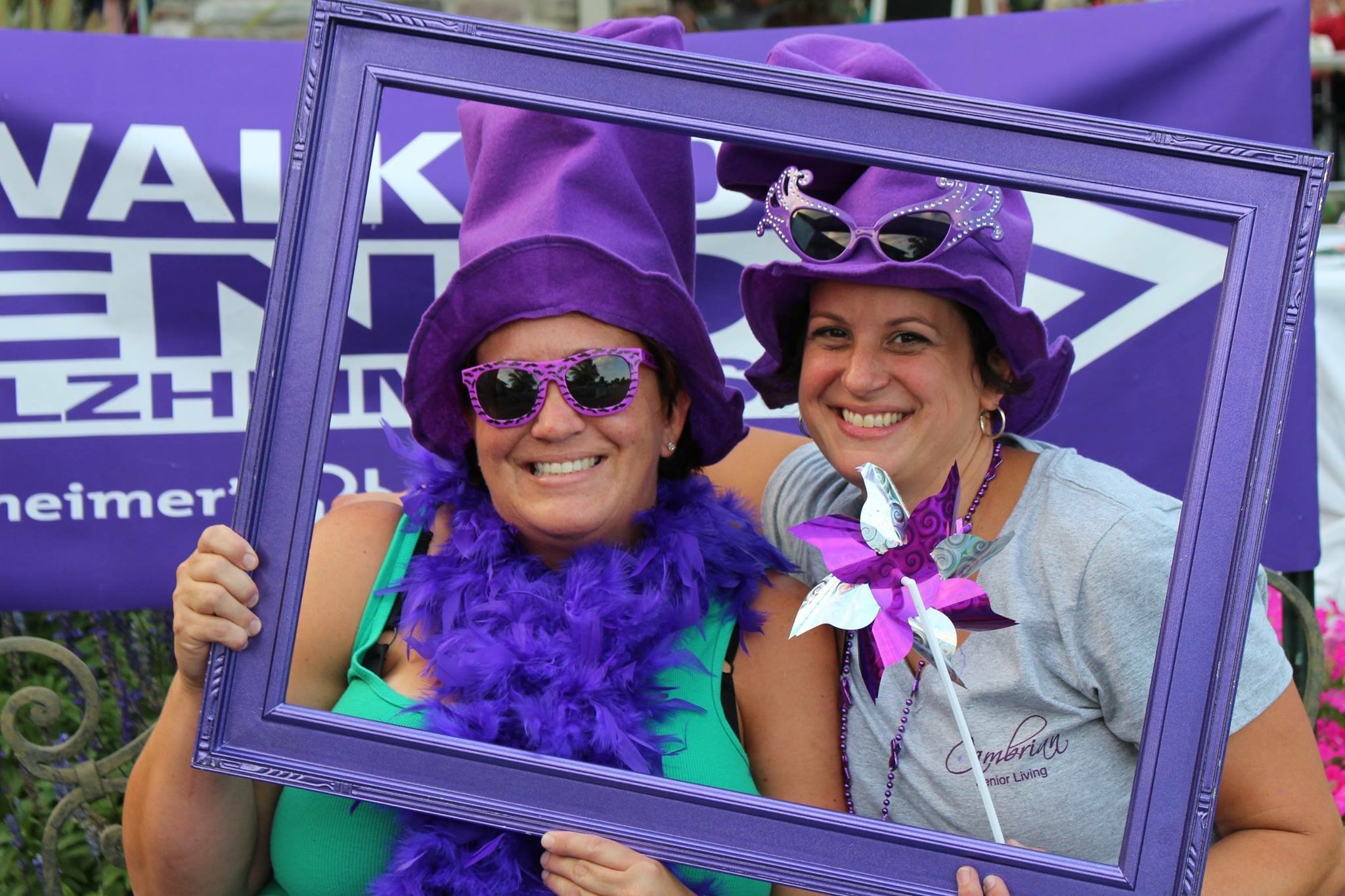
- Go purple — the color of Alzheimer’s awareness — on Facebook, Twitter and more!
- Honor those facing the disease by participating in the Alzheimer’s Association The Longest Day on June 21. Sign up or donate at alz.org/thelongestday.
Help the Alzheimer’s Association #ENDALZ this June! Visit alz.org/abam to get started.
End of Alzheimer’s Association Article
Cambrian Senior Living has locations in South Lyon and Tecumseh, Michigan. Both locations offer specialized services in dementia care. Support group services are also available on a monthly basis as a free service to the community, so check out our website to learn more at www.CambrianSeniorLiving.com